Apr 19, 2025
Skills & Improvement
English vs. Western Riding: What’s the Difference?

— Jerry Twist
Understanding the Unique Styles Behind Every Ride
If you’re new to horseback riding, you’ve probably heard of English and Western riding styles. While both share the same love for horses and the bond between rider and mount, they differ in technique, equipment, purpose, and even philosophy. Whether you dream of galloping through open trails or mastering graceful jumps, understanding the differences will help you choose the right path for your riding journey.
1. The Origins of Each Style
English riding has its roots in European traditions — think of the refined movements seen in show jumping, dressage, and eventing. It emphasizes precision, posture, and close communication with the horse.
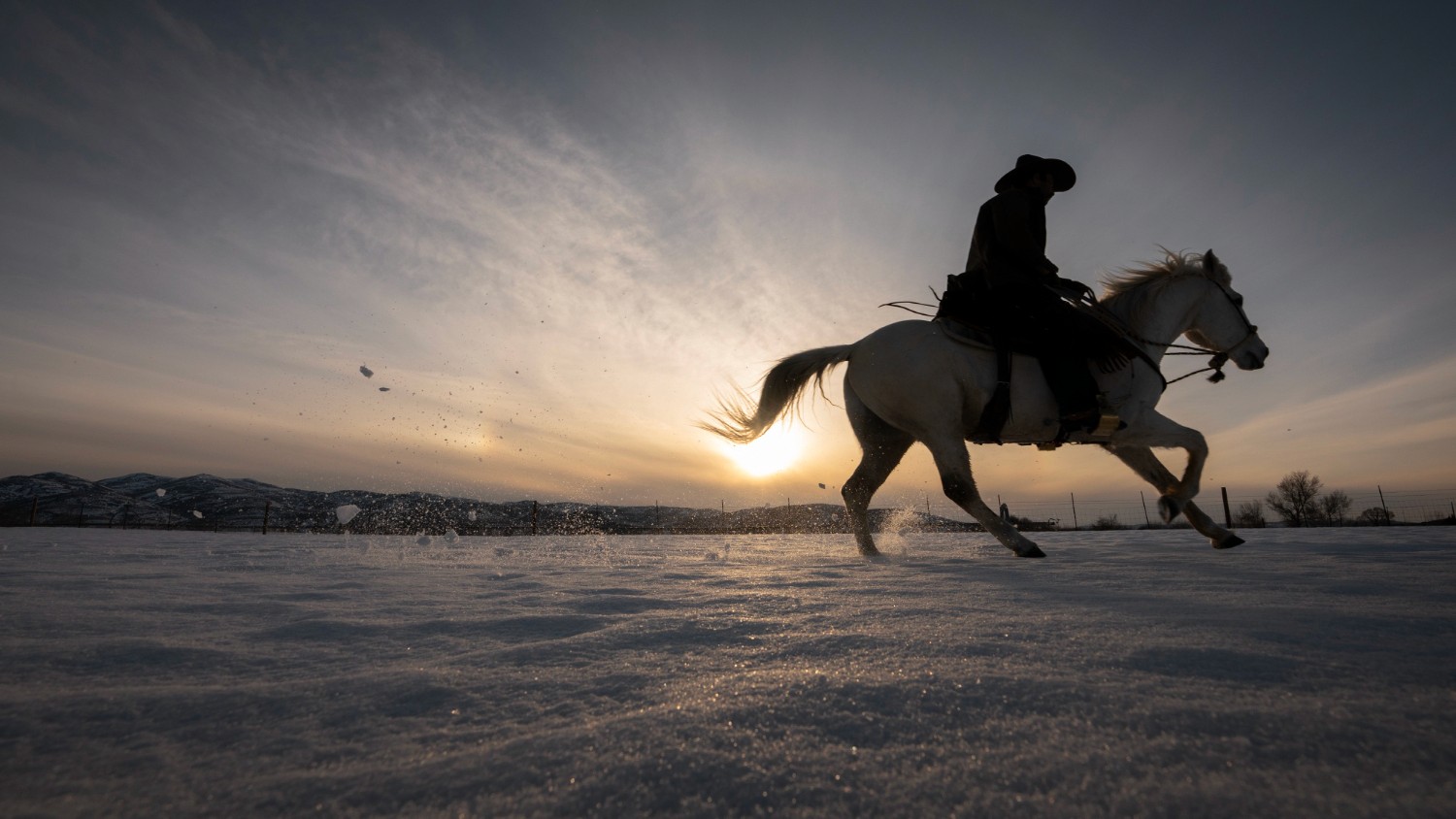
Western riding, on the other hand, evolved from the American frontier. Cowboys needed a practical and comfortable way to spend long days herding cattle. As a result, Western style focuses on comfort, balance, and the horse’s ability to work independently.
“In English riding, you guide the horse; in Western, you trust the horse to guide you.”— Anonymous Horseman
2. The Saddle and Equipment
One of the most noticeable differences lies in the saddle.
English saddles are smaller and lighter, designed to allow close contact and better communication between rider and horse.
Western saddles are larger, with a horn in the front used for roping cattle and a deeper seat for added comfort during long rides.
Bridles, reins, and bits also differ. Western riders typically use split reins and looser contact, while English riders maintain steady, direct rein contact.
3. Riding Technique and Body Position
In English riding, riders often post (rise and sit) during the trot and maintain a more upright posture. The focus is on precise control, refined cues, and developing balance through the legs and seat.
In Western riding, the seat is deeper and more relaxed. Riders use subtle cues, often through leg pressure or shifting weight, allowing the horse to move more freely. The reins are held in one hand, giving the other hand freedom — a tradition from working cattle.
4. Typical Disciplines
Each style offers its own range of disciplines and competitions:
English Riding: Dressage, Show Jumping, Eventing, and Hunter classes.
Western Riding: Reining, Barrel Racing, Trail, Cutting, and Western Pleasure.
Both have their own thrill — from the elegance of English dressage to the speed and agility of Western barrel racing.
5. Which Style Is Right for You?
Choosing between English and Western riding depends on your goals and personality as a rider.
If you love precision, competition, and posture, English might be for you.
If you prefer a relaxed seat, outdoor trail rides, and cowboy-style freedom, Western could be the perfect fit.
At our riding school, we offer programs in both disciplines, helping beginners explore what feels most natural and enjoyable.
No matter which style you choose, both offer valuable lessons in balance, patience, and connection with your horse. The best way to find your favorite? Try both! Experiencing English and Western riding firsthand can help you discover what truly inspires you in the saddle.
Share this article
Welcome to your go-to destination for fresh perspectives. Dive deep into our rich content pool, curated meticulously to enlighten, entertain, and engage curious readers across the globe.
